
🔥 Do you wish for reliable temperature protection for every shipment using Thermal Liner?
In that case look no further, as we can provide full thermal insulation solutions tailored to your needs.
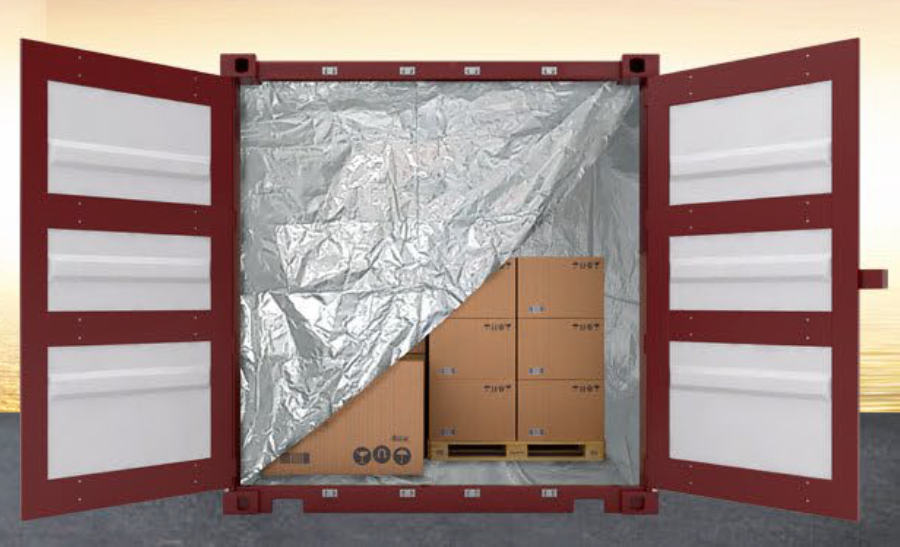
From lightweight pallet covers to complete container insulation systems, our products adapt to your logistics needs. Additionally, whether you are transporting a small pallet or a 40″ HC container, our easy to install and remove solutions, provide consistent thermal performance without disrupting handling, loading or unloading operations.
Significantly, our thermal liners are ideal for use with flexitanks.
Please, feel free to contact us. We will be happy to visit you and provide you with all the details.
.
🛡️ Why choose thermal protection?
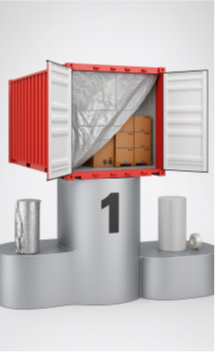
Thermal Liner is an insulating blanket designed for use inside dry van shipping containers. Importantly, it helps safeguard cargo from irreversible damage caused by extreme temperatures and moisture. In addition, the liner creates a hygienic barrier that protects goods from odors and dirt, while reducing carbon footprint by requiring no energy and offering reusability.
Our thermal liners can work perfectly with flexitanks, ensuring your product is kept in cool conditions and safe from moisture and extreme temperatures. Furthermore, this combination helps maintain product integrity throughout transit by minimizing thermal fluctuations that can then affect sensitive liquids. Together, the thermal liner and flexitank solution offer a reliable, cost-effective, and sustainable approach to transporting temperature-sensitive liquid bulk cargo.
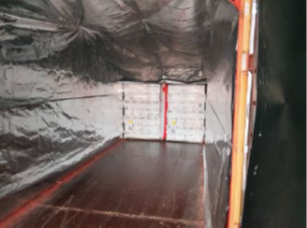
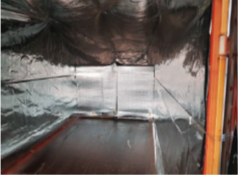
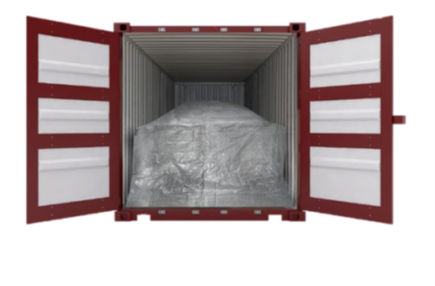
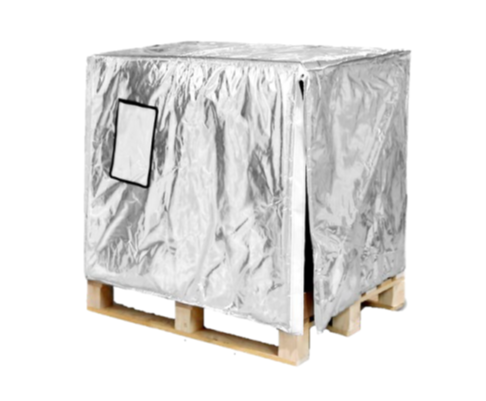


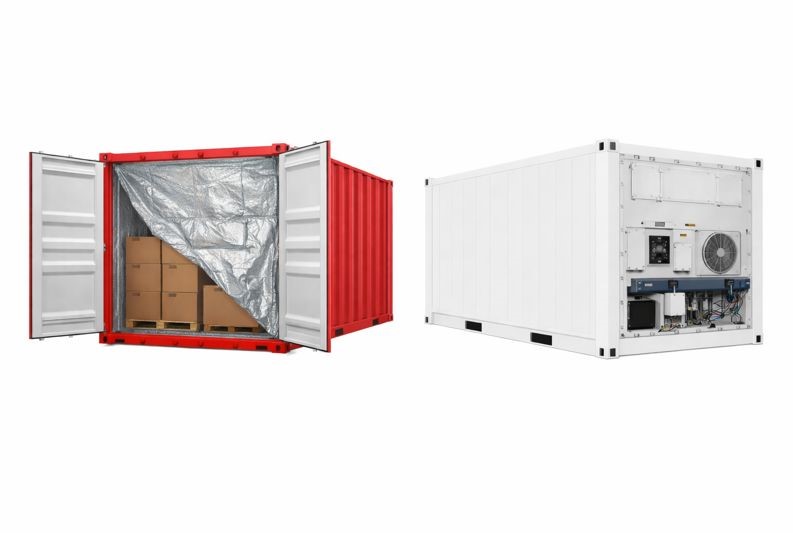
Thermal Liners VS REEFER
- A Dry Van container with Thermal Liner cuts transport costs by at least 60% compared to reefer containers.
- Performance during transshipments is excellent, opposite to reefer containers where there is a risk of unplugging or a mechanical failure.
- Greater availability and quicker access to Dry Van containers.
- As no electrical energy is used and fuel consumption is reduced during transport, this solution reduces CO₂ footprint.
- With thermal liners, there is no demurrage risk or repositioning costs, making the process simple and logistics friendly.
We’ve worked with some of the best companies.


Get your Quote now
We have offices worldwide.
FAQs
Which products need extra thermal protection?
The products that are most susceptible to extreme temperatures and humidity are olive oil, wine, fertilizers, wheat, cocoa, grain, powdered materials and some non imo chemicals.
What types of containers and pallets can use thermal liners?
Thermal liners can be used in:
Standard shipping containers (20ft, 40ft, HC)
Palletized shipments with stretch wrap or pallet covers
They are fully custom-sized and designed to fit standard logistics equipment.
Why choose thermal liners over traditional insulation methods?
Thermal liners offer a lightweight, flexible, and cost-effective solution that adapts to your specific logistics needs—without adding complexity or requiring major infrastructure changes, saving you time and money.
How effective are thermal liners?
Thermal liners are very effective in keeping the heat under the cover, under control, reducing the fluctuations in temperature. We can also provide you, on demand, a success case where olive oil under the insulation cover, was kept at approximately 20 degrees Celsius cooler than the uncovered part of the container.
What materials are thermal liners made from?
Our most picked insulation consists of 5 layers. The first one is Aluminum, the second and the forth one is LDPE (Low-Density Polyethylene), the fifth one is PET MET, a polyester film that has been enhanced with a thin layer of metal, while in the middle there is HDPE Wooven for extra insulation.
Are thermal liners reusable?
Our thermal liners are reusable, depending on the material, handling conditions, and shipment duration. The conditions for the reuse should be advised by the manufacturer.